Eco-Friendly & Safe
H₂O₂ decomposes into pure water and oxygen, leaving zero toxic residue. It is the greenest oxidizing agent available, making it ideal for environmentally conscious industries.
The World's Most Versatile Compound — Trusted Across Medical, Industrial, and Commercial Applications
From life-saving antiseptics to eco-friendly water treatment, Hydrogen Peroxide is the gold standard for cleanliness, safety, and sustainability. Discover why millions of professionals and households worldwide rely on H₂O₂ every day.
Hydrogen Peroxide (H₂O₂) is a naturally occurring compound that breaks down into water (H₂O) and oxygen (O₂). This unique property makes it the most eco-friendly oxidizing agent available, with applications spanning healthcare, food safety, industrial manufacturing, and environmental protection.
H₂O₂ decomposes into pure water and oxygen, leaving zero toxic residue. It is the greenest oxidizing agent available, making it ideal for environmentally conscious industries.
Effective against bacteria, viruses, fungi, and spores. H₂O₂ destroys microorganisms by releasing free radicals that disrupt cellular structures — no resistance buildup.
Rapid oxidation kinetics mean H₂O₂ works within seconds on contact. It delivers immediate results for disinfection, bleaching, and sterilization processes.
Available in multiple concentrations from 3% to 90%, H₂O₂ offers unmatched value. A single compound replaces dozens of specialty chemicals across industries.
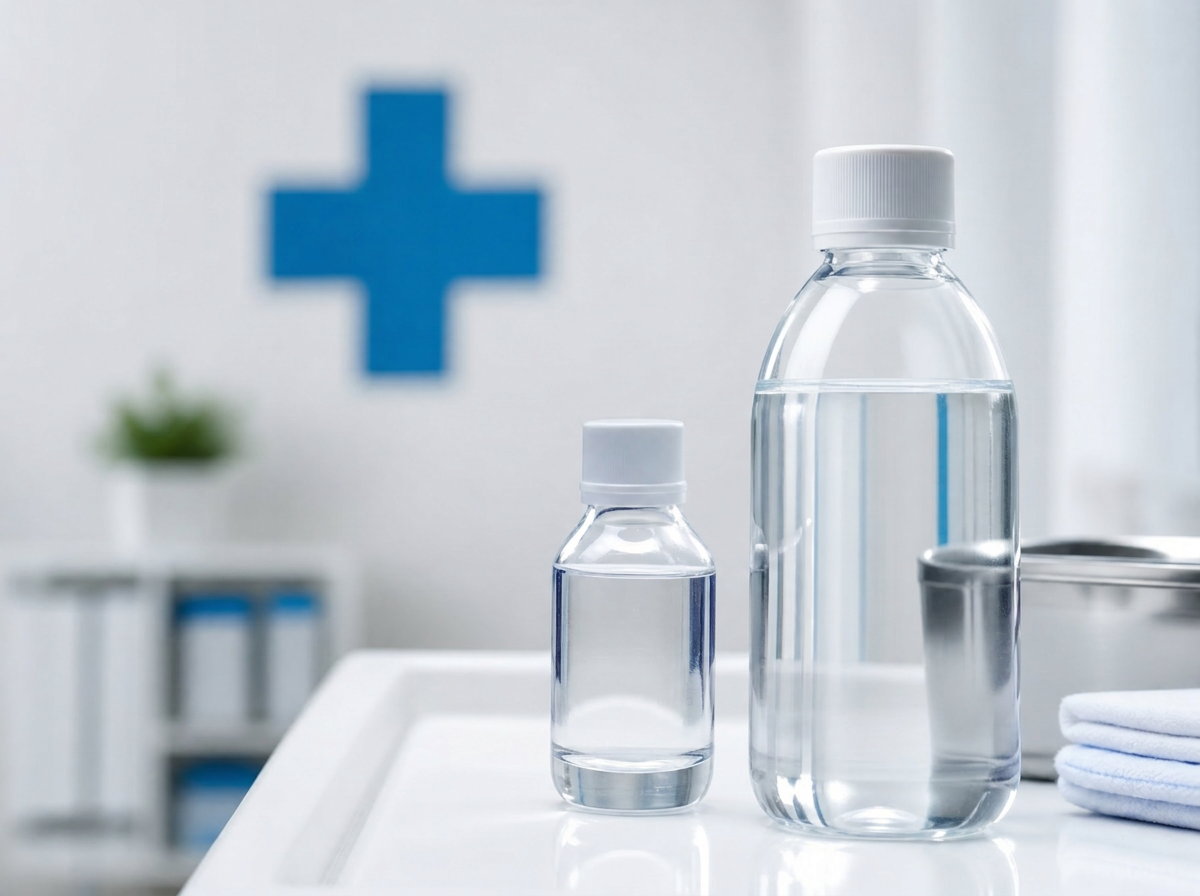
Pharmaceutical-grade Hydrogen Peroxide has been a cornerstone of modern medicine for over a century. Its powerful oxidizing properties make it indispensable in hospitals, clinics, and first-aid kits worldwide.
The most well-known use of H₂O₂ is as an antiseptic for minor cuts, scrapes, and burns. The bubbling action is not just visual — it is oxygen release that physically flushes out debris, dead tissue, and bacteria from the wound. At 3% concentration, it is the standard household first-aid antiseptic recommended by healthcare professionals.
Hydrogen Peroxide is a key ingredient in professional teeth whitening products and over-the-counter whitening strips. It breaks down stubborn stains on tooth enamel through oxidation. Additionally, H₂O₂ mouth rinses are effective against gingivitis, reduce plaque buildup, and help treat canker sores and swollen gums.
Medical professionals use diluted H₂O₂ (typically 3-5%) to soften and remove earwax blockages. The bubbling action helps loosen impacted cerumen, making it one of the safest and most effective earwax removal methods available.
In pharmaceutical cleanrooms, H₂O₂ is used for surface decontamination and sterilization of equipment. Its ability to eliminate all known pathogens without leaving toxic residue makes it the preferred choice for aseptic manufacturing environments.
Hydrogen Peroxide vapor (HPV) systems are used for terminal cleaning of hospital rooms, surgical suites, and isolation wards. These systems achieve 6-log reduction of C. difficile spores, MRSA, and other dangerous pathogens — far exceeding the efficacy of traditional quaternary ammonium compounds.
Low-concentration H₂O₂ products are used in dermatology for treating mild acne. The oxidizing action helps kill P. acnes bacteria on the skin surface. It is also used for softening calluses, treating fungal skin infections, and as a mild skin brightening agent.
Hydrogen Peroxide is one of the most powerful and versatile disinfectants available. It eliminates bacteria, viruses, fungi, and spores without the environmental hazards associated with chlorine-based disinfectants.
At 3% concentration, H₂O₂ is the safest and most effective household disinfectant. It kills 99.9% of common pathogens on high-touch surfaces including door handles, light switches, countertops, and bathroom fixtures. Unlike bleach, it does not discolor fabrics or corrode metals.
Commercial facilities use hydrogen peroxide-based cleaners for large-scale sanitization. Hospitals, schools, restaurants, and office buildings rely on H₂O₂ for its rapid contact time (as little as 10 seconds for some formulations) and broad-spectrum pathogen kill.
Higher concentrations (7.5% to 35%) are used for medical-grade sterilization. H₂O₂ vapor generators achieve complete room decontamination, eliminating even the most resistant pathogens including C. difficile spores and Norovirus.
Hydrogen Peroxide aerosol and vapor systems are used for air purification in enclosed spaces. These systems are particularly effective in hospitals, laboratories, and food processing facilities where airborne pathogens pose a significant risk.
| Feature | H₂O₂ | Bleach (NaOCl) | Quaternary Ammonium |
|---|---|---|---|
| Breakdown Product | Water + Oxygen | Chlorinated compounds | Synthetic residues |
| Toxic Fumes | None | Yes | Yes |
| Spore Kill | Yes | Limited | No |
| Surface Safe | Most surfaces | Limited | Yes |
| Contact Time | 10 sec - 10 min | 10 - 30 min | 10 - 15 min |
| Environmental Impact | Zero residue | Toxic runoff | Persistent |
| Virus Kill (e.g., COVID-19) | EPA approved | EPA approved | EPA approved |
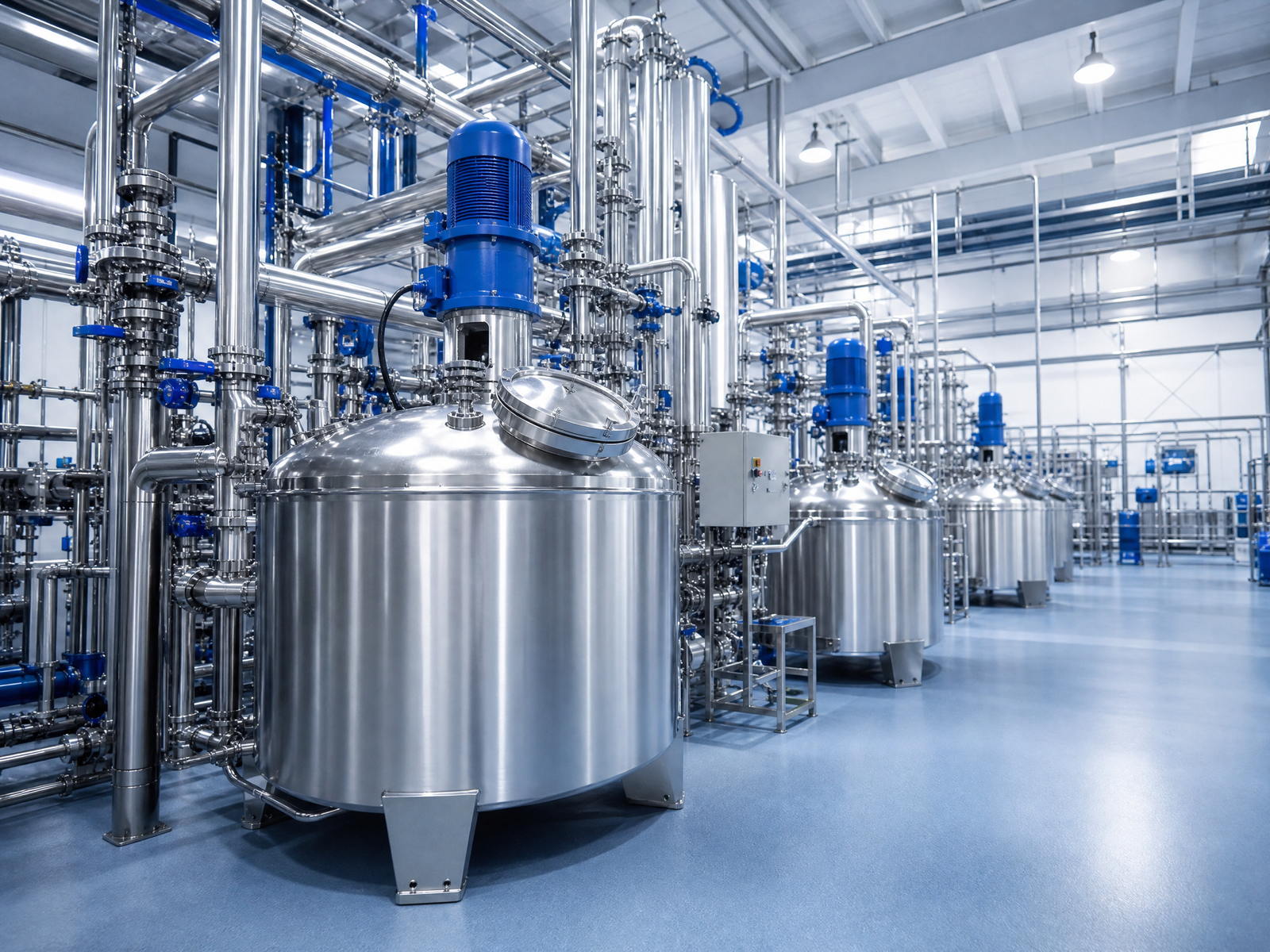
The chemical industry is the largest consumer of Hydrogen Peroxide worldwide. Its powerful oxidizing capabilities drive innovation in manufacturing, from paper production to semiconductor fabrication.
H₂O₂ is the leading bleaching agent in the paper industry, replacing toxic chlorine-based chemicals. It brightens wood pulp without degrading fiber strength, producing high-quality paper products while minimizing environmental impact. The global paper industry consumes millions of tons of H₂O₂ annually.
In textile manufacturing, Hydrogen Peroxide is used for bleaching cotton, linen, and synthetic fibers. It provides consistent, high-quality whitening without the yellowing associated with chlorine bleach. It is also used in wool and silk processing where gentle oxidation is critical.
Ultra-pure (UP) Hydrogen Peroxide (50%+) is essential in semiconductor manufacturing. It is used in the RCA cleaning process to remove organic contaminants from silicon wafers. Its precision and purity are unmatched — a single particle can ruin a microchip.
Hydrogen Peroxide is the active bleaching agent in hair dye and hair lightening products. It opens the hair cuticle to allow color penetration while simultaneously lightening natural pigment. It is also used in eyelash and eyebrow tinting products.
H₂O₂ serves as an initiator in polymer chemistry and as an oxidizing agent in chemical synthesis. It is used in the production of epoxides, peracetic acid, and numerous other industrial chemicals. Its role as a green oxidant is driving sustainable chemistry innovations.
FDA-approved food grade Hydrogen Peroxide (35% concentration) is widely used in food processing. It is affirmed as Generally Recognized as Safe (GRAS) and is a critical tool in food safety and quality assurance.
H₂O₂ acts as a powerful antimicrobial agent that prevents the growth of bacteria, yeast, and molds in food products. It extends shelf life naturally without synthetic preservatives, making it ideal for organic and clean-label products.
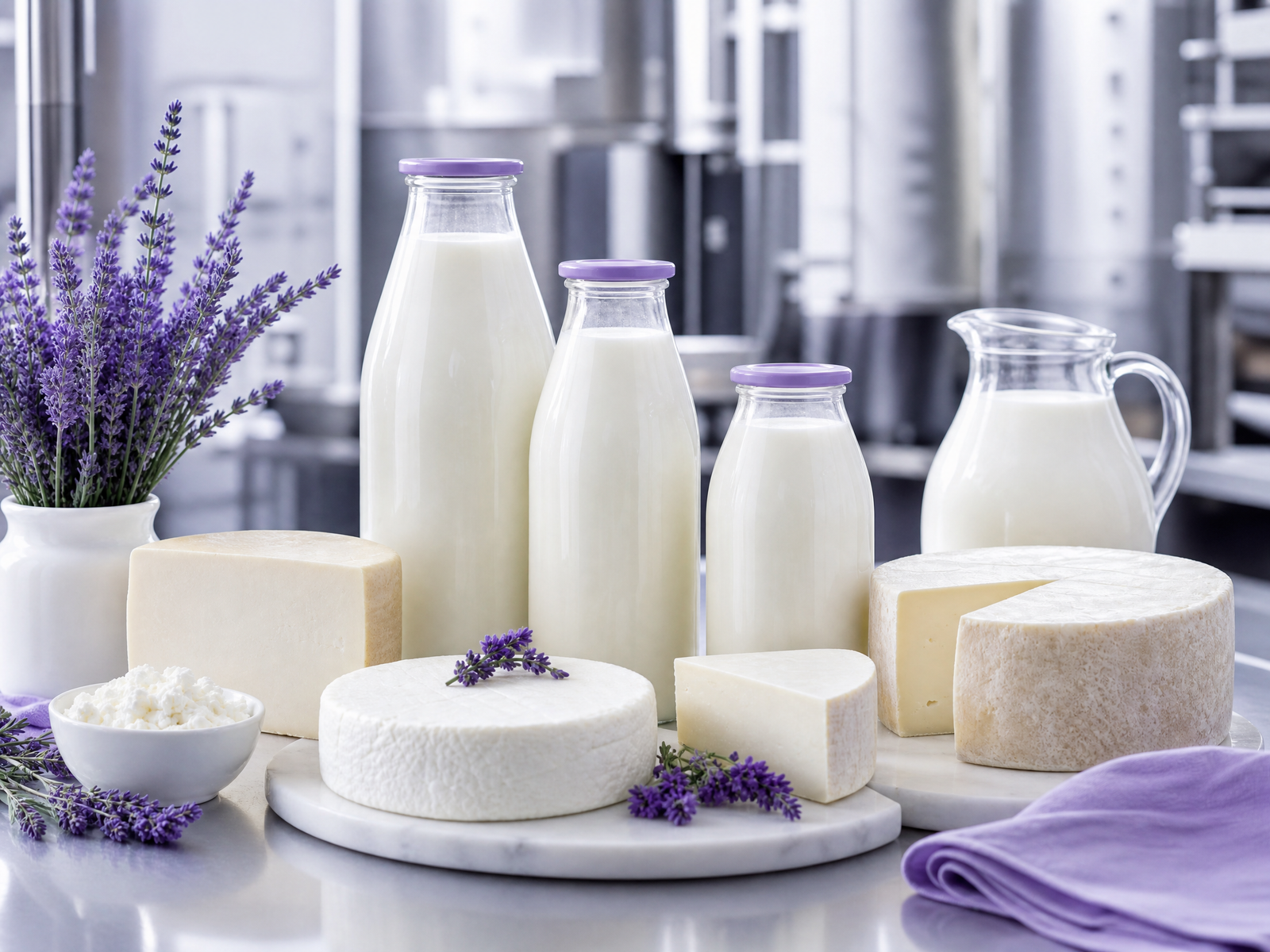
In dairy production, H₂O₂ is used for sterilizing packaging materials (aseptic packaging) and cleaning processing equipment. It ensures that milk, cheese, and yogurt products maintain their quality and safety throughout the supply chain.
Food-grade H₂O₂ is used to treat liquid egg whites, eliminating Salmonella and other pathogens while preserving the functional properties of the protein. This is essential for food safety in products like meringues and pastries.
H₂O₂ is an approved bleaching agent for wheat flour and other grains. It naturally brightens flour color and improves baking properties by oxidizing carotenoid pigments, producing whiter, more consistent baking results.
In cheese production, H₂O₂ is used to treat whey and remove residual antibiotics from milk before processing. It also helps control microbial contamination during the aging and packaging processes.
Bottling and packaging lines use H₂O₂ for sanitizing bottles, caps, and filling equipment. It is particularly important in aseptic cold-fill processes where thermal sterilization is not feasible.
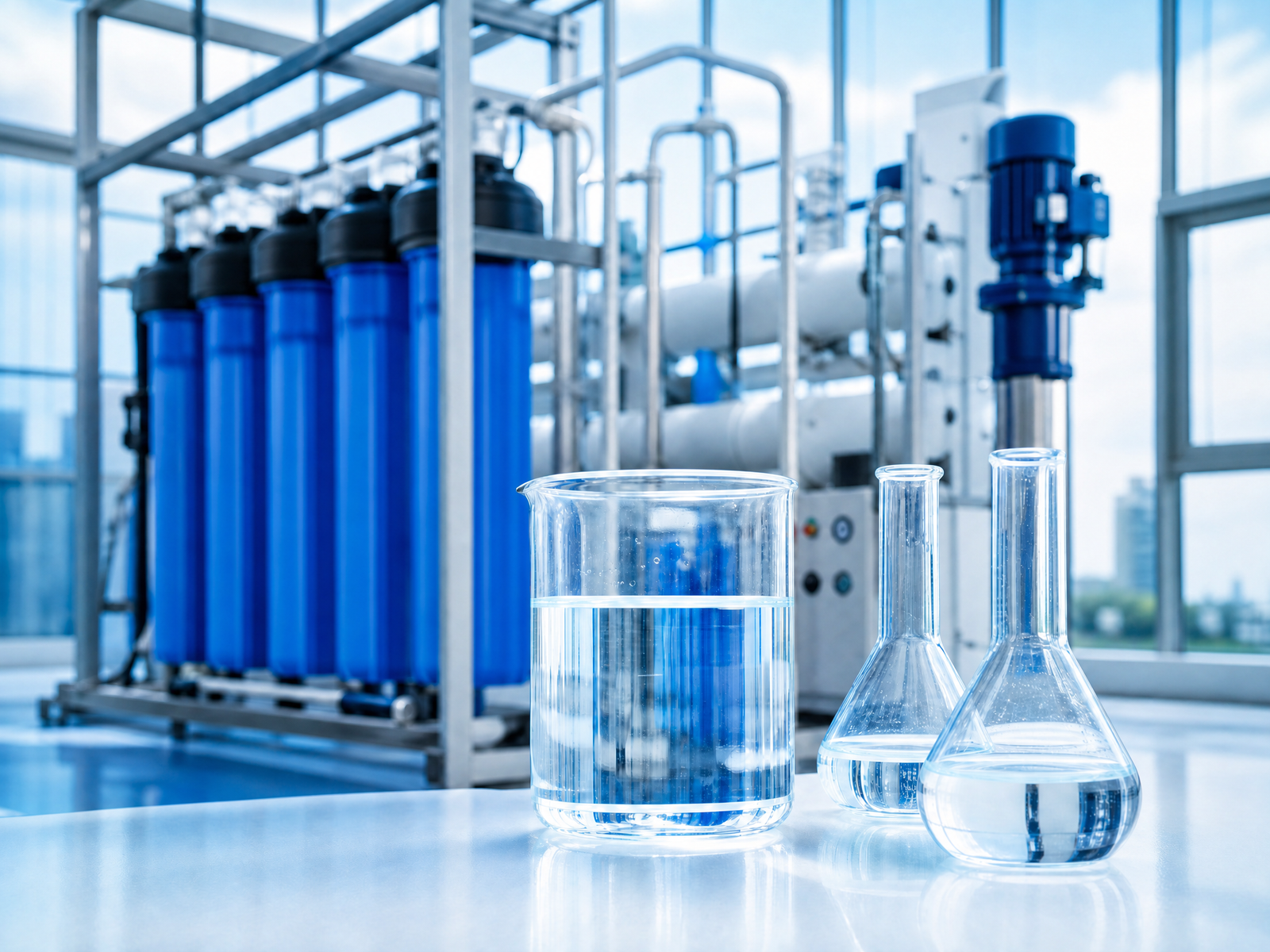
Hydrogen Peroxide is a powerful, environmentally friendly oxidant used extensively in municipal and industrial water treatment. Its ability to break down into harmless water and oxygen makes it the sustainable choice for water management.
H₂O₂ is used to oxidize iron and manganese in drinking water supplies, precipitating these metals for easy filtration. It also controls taste and odor compounds, including hydrogen sulfide (rotten egg smell). As a pre-oxidant before chlorination, it reduces the formation of harmful trihalomethanes (THMs).
In wastewater facilities, H₂O₂ oxidizes dissolved organic pollutants, improves biodegradability for downstream biological treatment, and controls foul odors from sulfide compounds. It is also used to maintain adequate dissolved oxygen levels in aeration basins.
H₂O₂ injection is a proven technique for in-situ remediation of contaminated groundwater. It oxidizes organic pollutants including petroleum hydrocarbons, solvents, and pesticides, breaking them down into harmless compounds naturally present in the environment.
As an alternative to chlorine, H₂O₂-based treatments (including peracetic acid) provide effective algae control and sanitization without the harsh odor and skin irritation associated with chlorine. It is especially beneficial for indoor pools and sensitive individuals.
When combined with UV light (UV/H₂O₂), ozone, or iron catalysts (Fenton's reagent), Hydrogen Peroxide generates hydroxyl radicals — the most powerful oxidants known. These systems destroy persistent organic pollutants, pharmaceutical residues, and endocrine disruptors that conventional treatment cannot remove.
Hydrogen Peroxide is available in various concentrations, each suited for specific applications. Choosing the right grade ensures optimal performance and safety for your needs.
| Grade Name | Concentration | Primary Applications | Purity Level |
|---|---|---|---|
| Standard / Household | 3% | First aid, minor wound care, household disinfection | General |
| Beauty / Hair | 6-12% | Hair coloring, bleaching, cosmetic formulations | Beauty |
| Pharmaceutical | 30% | Medical sterilization, pharmaceutical manufacturing | Pharma |
| Food Grade | 35% | Food processing, dairy, packaging, GRAS applications | Food Grade |
| Technical / Industrial | 50% | Water treatment, chemical synthesis, bleaching | Technical |
| Ultra-Pure (Electronic) | 50-60% | Semiconductor manufacturing, wafer cleaning | Electronic |
| High-Test Peroxide (HTP) | 70-90% | Aerospace, specialized industrial oxidizer | Specialized |
Whether you need 3% solution for retail or 35% food grade for industrial processing, we supply all grades of Hydrogen Peroxide with comprehensive safety documentation, technical support, and reliable delivery.
Have questions about Hydrogen Peroxide grades, applications, or bulk ordering? Our team of chemical specialists is ready to assist you.
Email: sales@yourdomain.com
Phone: +1 (800) 555-0199
Business Hours: Mon-Fri, 8:00 AM - 6:00 PM EST
Email: tech@yourdomain.com
Phone: +1 (800) 555-0299
SDS & Safety Documentation Available
Email: logistics@yourdomain.com
Bulk orders ship within 48 hours
Domestic & International Delivery
Yes. At 3% concentration, Hydrogen Peroxide is safe for household use as an antiseptic and disinfectant. It decomposes into water and oxygen, leaving no harmful residue. Always store it in a cool, dark place and keep it out of reach of children.
Food grade H₂O₂ (35%) is manufactured without the stabilizers and heavy metals found in regular 3% solutions. It is purified to meet FDA food-grade standards and is suitable for food processing, dairy, and beverage applications. Regular 3% H₂O₂ contains stabilizers that make it unsuitable for food contact.
Unopened 3% Hydrogen Peroxide has a shelf life of approximately 3 years when stored properly. Once opened, it remains effective for 6 months to 1 year. Higher concentrations (30%+) have shorter shelf lives and require careful storage in vented containers away from light and heat.
Yes. H₂O₂ is an excellent alternative to chlorine bleach. It kills bacteria, viruses, and fungi without producing toxic fumes or leaving harmful residues. It is safer for indoor use, does not corrode metals, and is approved by the EPA as a disinfectant.
Absolutely. H₂O₂ is one of the most environmentally friendly chemicals available. It breaks down completely into water and oxygen, leaving zero toxic byproducts. It is biodegradable, does not bioaccumulate, and is approved for use in organic food processing.
The right concentration depends on your use case. For first aid and household cleaning, 3% is ideal. For food processing, use 35% food grade. For industrial water treatment, 50% technical grade is common. Contact our team for a personalized recommendation based on your specific needs.